Lead Ingot
HOME >Product > Lead Ingot >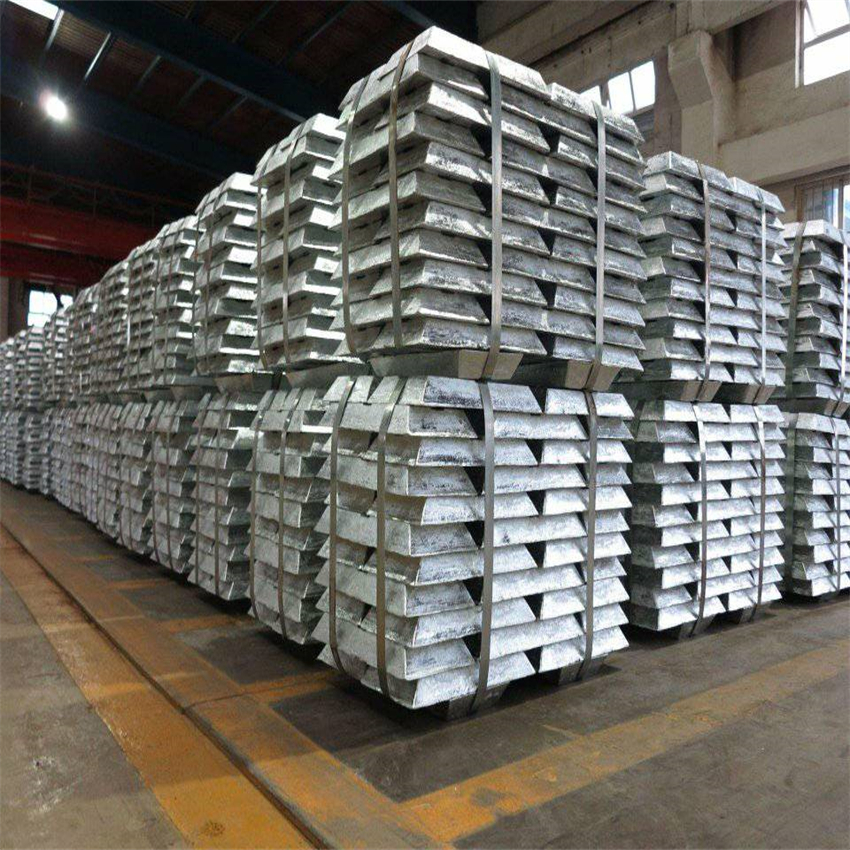
Lead Ingot
Time
2025-12-10operate
ManufacturerClick
0Professional customer service online answers to solve any problems you encounter!
Related Products
RELATED PRODUCTSDetailed Introduction
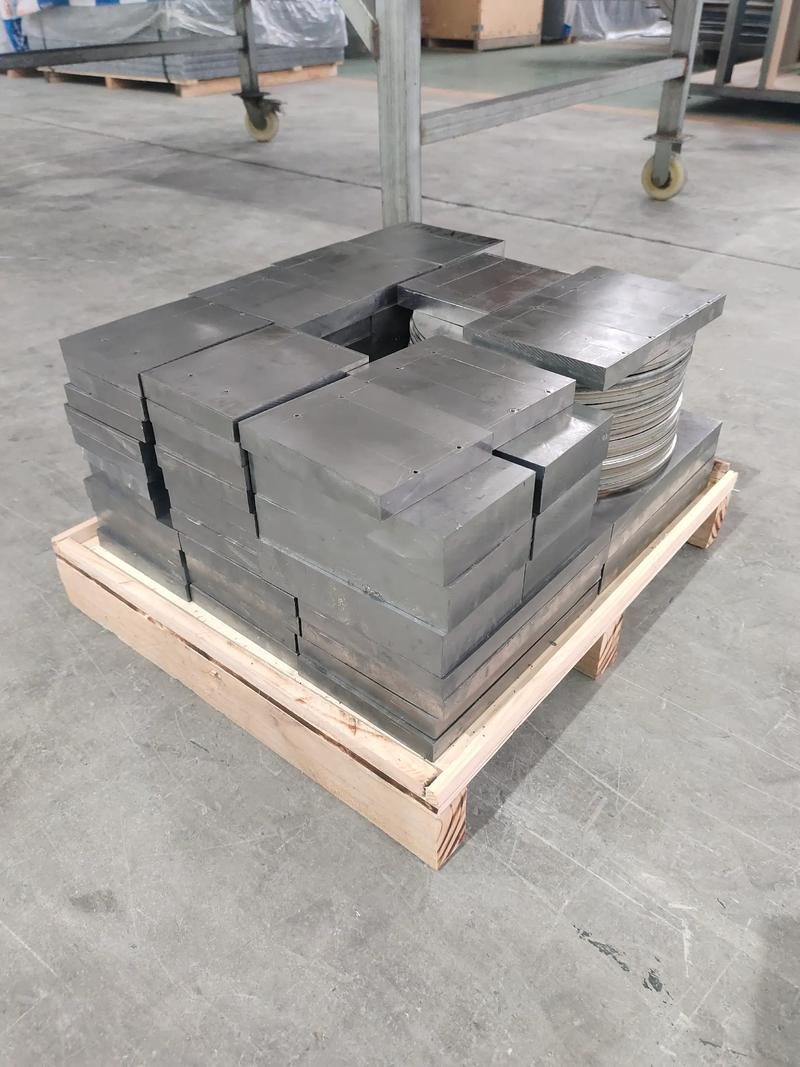
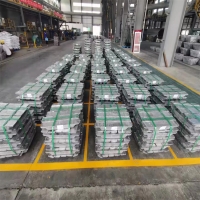
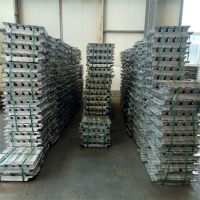
Lead ingots are block shaped metal products made from high-purity lead through melting and casting processes. They are the basic raw materials in the lead processing industry and are widely used in various fields such as chemical engineering, metallurgy, electronics, and protection.
1、 Basic parameters and classification
Material Standard
The mainstream lead ingots on the market are made from 1 # electrolytic lead (purity ≥ 99.994%) as raw material, with extremely low impurity content; There are also lead ingots made from recycled lead, with a purity between 95% -99% and a lower price, suitable for scenarios with low purity requirements.
Common specifications
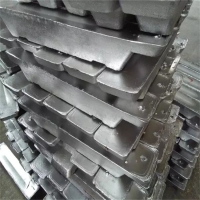
Conventional dimensions: approximately 800mm in length, 150mm in width, and 80mm in height, with a single ingot weight of mostly 25kg or 50kg, making it easy to handle and store.
Customized specifications: Can be poured into large tonnage lead ingots (such as 1 ton/block) according to demand, used for industrial counterweight and other scenarios.
appearance characteristics
The surface of the lead ingot has a silver gray metallic luster, with a soft texture that can be traced with a fingernail; Finished lead ingots are usually labeled with brand, purity, weight, and other information, with neat edges and no obvious burrs or cracks.
2、 Core Features
high density
The density of lead is 11.345g/cm ³, which is 1.4 times that of iron and weighs more at the same volume, making it an ideal weight material.
Strong corrosion resistance
Lead is stable in dry air and forms a layer of lead oxide protective film on its surface in humid environments, which can resist corrosion from various strong acids such as sulfuric acid and phosphoric acid (except for fluoric acid).
Low melting point and easy processing
The melting point of lead is only 327.5 ℃, and it has good fluidity after melting, making it easy to cast into various shapes; Simultaneously possessing excellent ductility, it can be rolled into lead plates and drawn into lead wires.
Excellent radiation shielding performance
Lead has a high atomic number and can effectively absorb ionizing radiation such as X-rays and gamma rays. It is a core material in the nuclear industry and medical protection fields.
Moderate conductivity and thermal conductivity
The conductivity and thermal conductivity are lower than copper and aluminum, but the cost is lower, making it suitable for conductive accessories in specific low-voltage and low-temperature environments.
3、 Main purpose
Battery manufacturing
This is the main application area of lead ingots. 1 # electrolytic lead ingots are processed into lead calcium alloys or lead antimony alloys, which are used to produce electrode plates for lead-acid batteries and are widely used in scenarios such as automobiles, electric vehicles, and energy storage stations.
Radiation protection engineering
After melting, lead ingots can be poured into protective lead blocks and cans, which are used for pouring protective walls in hospital CT rooms and X-ray rooms, as well as shielding structures in nuclear power plants and radioactive waste storage facilities.
Weighting field
Shipbuilding: used for balancing ballast tanks on ships to enhance navigation stability;
Mechanical industry: used for elevator counterweights and crane counterweights;
Sports equipment: used for shot put, diving weights, etc.
chemical industry
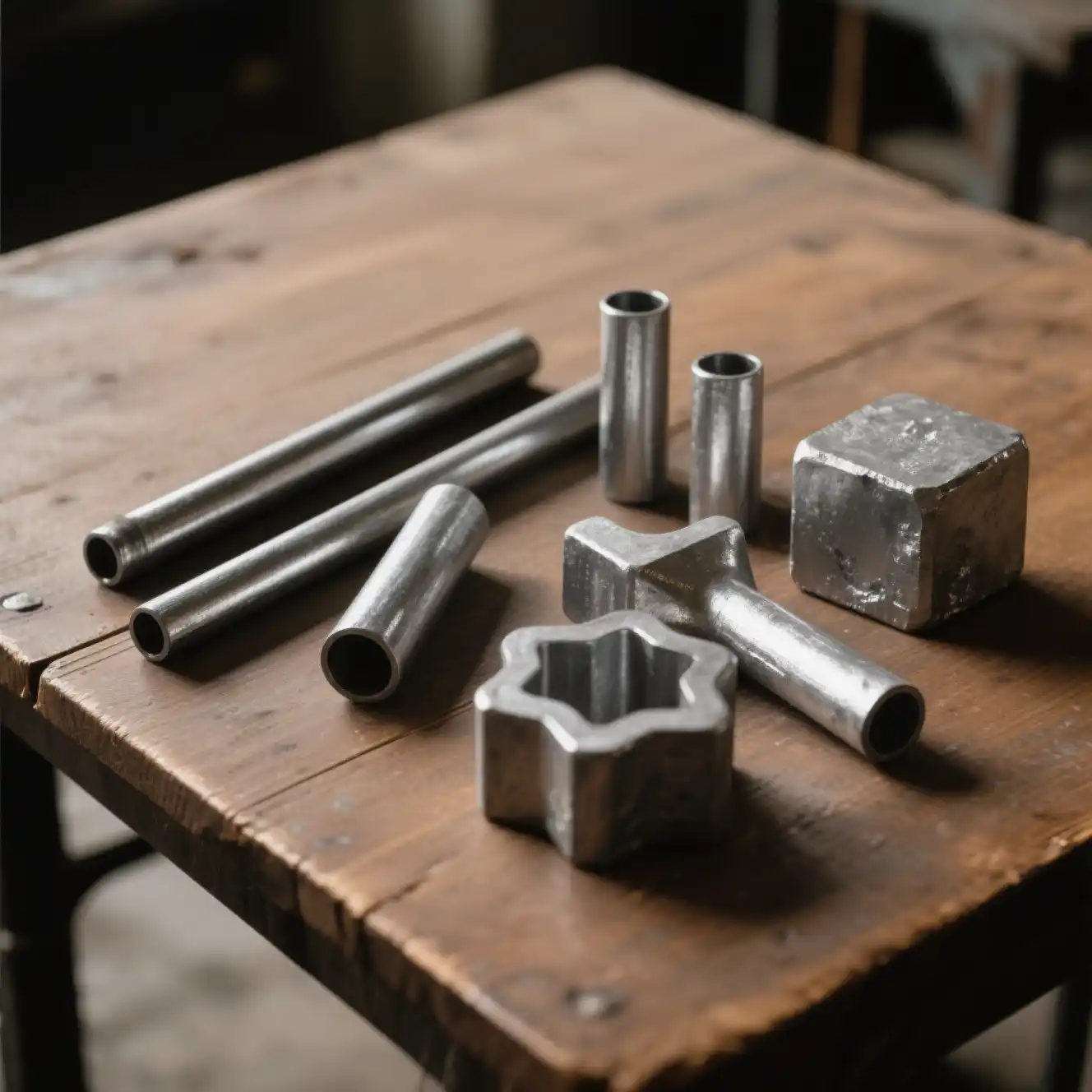
Used for manufacturing acid resistant pipelines, tank liners, reaction vessels, and other equipment, especially suitable for strong corrosive environments such as sulfuric acid production and electroplating.
Metal processing raw materials
Lead ingots can be used as raw materials and processed into deep processed products such as lead plates, lead wires, lead pipes, and lead foils through processes such as rolling, stretching, and extrusion.
4、 Storage and usage precautions
Storage requirements
It should be stored in a dry, ventilated, and cool warehouse, away from corrosive substances such as acid, alkali, salt, etc;
Avoid outdoor storage to prevent surface oxidation caused by rain and moisture;
When stacking, the bottom should be raised and kept at least 10cm away from the ground to prevent moisture and rust.
safety protection
Lead belongs to heavy metals, and lead dust and lead vapor are toxic. When processing, it is necessary to wear dust masks and protective gloves to avoid direct skin contact and inhalation of lead dust;
Ventilation equipment needs to be installed in the operation workshop, and lead content in the air should be regularly detected;
Clean hands and face promptly after homework, and it is strictly prohibited to eat or drink in the workshop.
Environmental Protection Treatment
Abandoned lead ingots and lead products are classified as hazardous waste and must be handed over to qualified professional institutions for recycling and disposal. Random disposal is strictly prohibited to avoid polluting soil and water sources.

Product Inquiry
Please fill out the form on the left. Once we receive your message, we will contact you as soon as possible.
Contact