Lead Wire
Time
2025-12-10operate
ManufacturerClick
0Professional customer service online answers to solve any problems you encounter!
Related Products
RELATED PRODUCTSDetailed Introduction
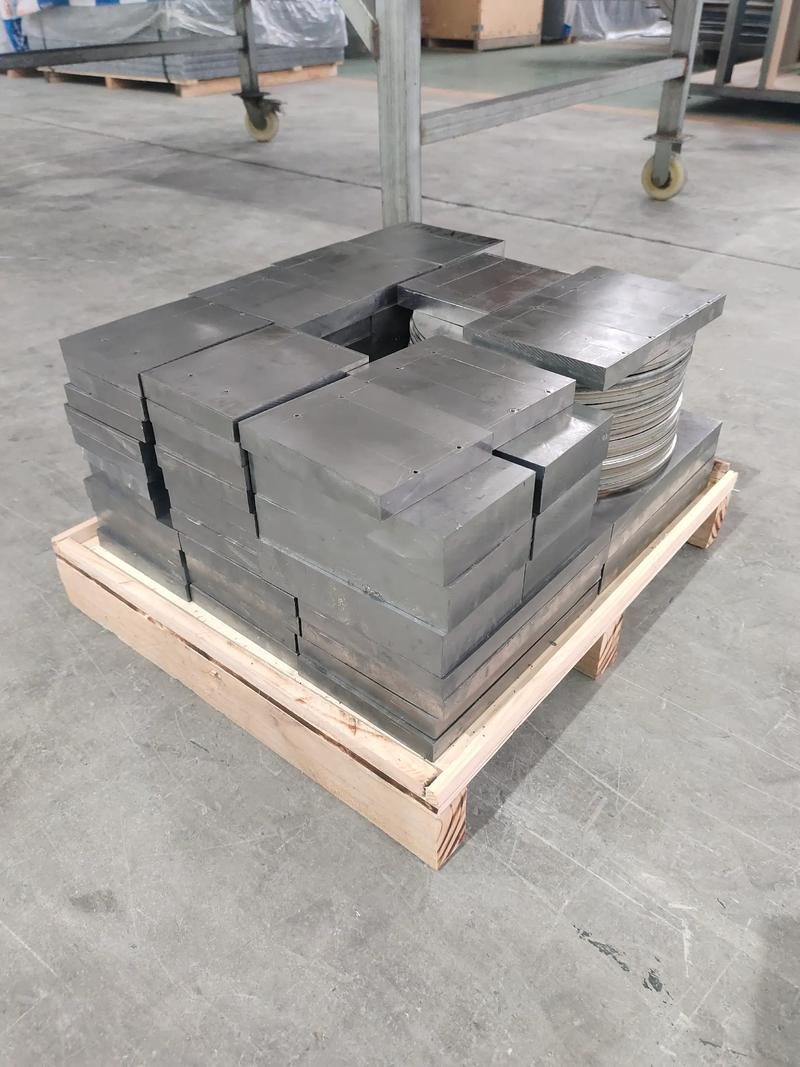
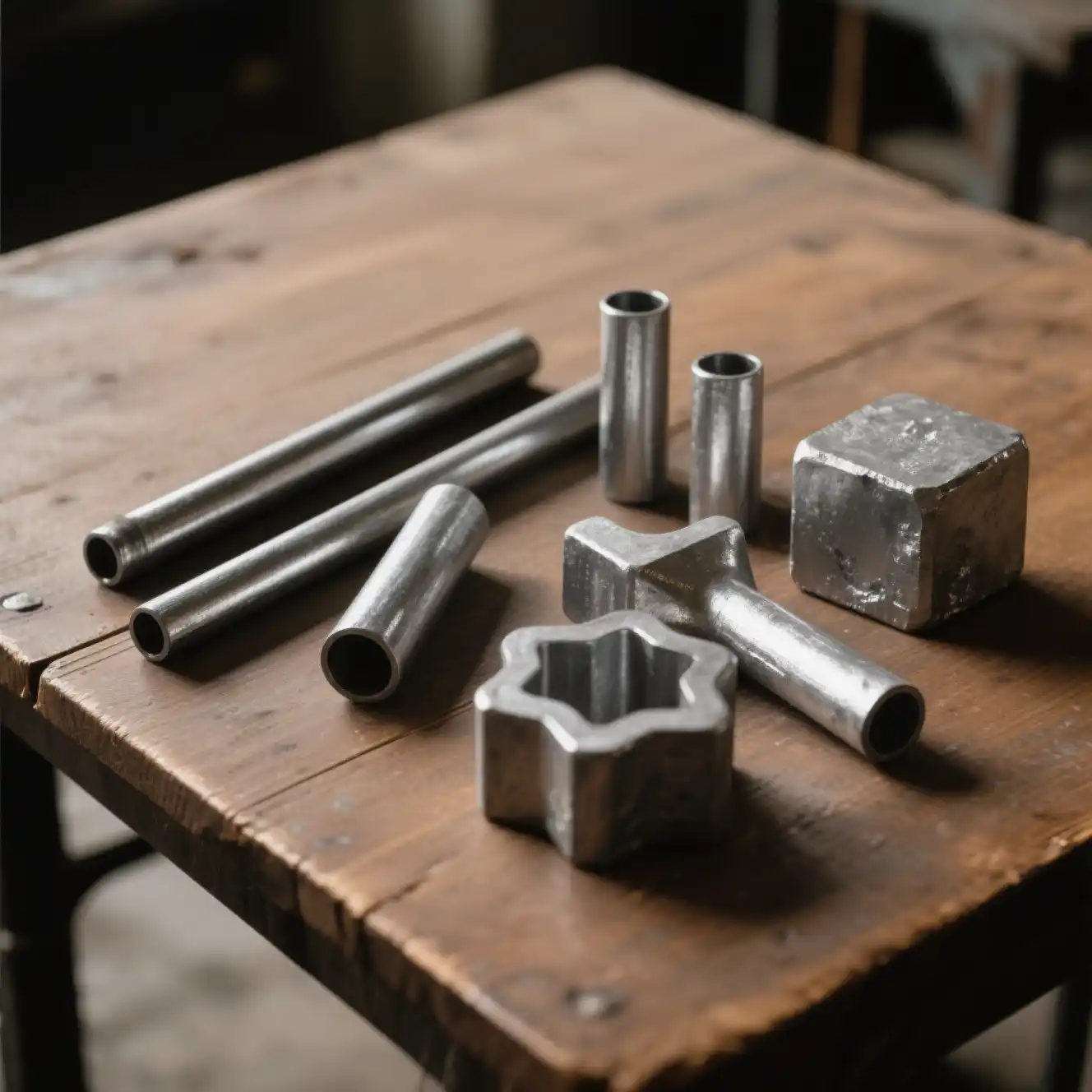
Lead wire is a filamentous metal product made from high-purity lead or lead alloy through melting, extrusion, and stretching processes. It combines the corrosion resistance, radiation shielding, and good ductility of lead and is widely used in various fields such as industry, medicine, and chemical engineering.
1、 Basic parameters and classification
Material Type
Pure lead wire: Made from 1 # electrolytic lead (purity ≥ 99.994%) as raw material, it has a soft texture and excellent ductility, suitable for scenarios with high purity requirements.
Lead alloy wire: Adding metals such as antimony, tin, and calcium to enhance hardness and tensile strength. Common types include lead antimony alloy wire and lead tin alloy wire, which are suitable for working conditions that require load-bearing or wear resistance.
Specifications
Diameter range: Conventional diameter 0.5mm-10mm, can be customized with ultra-fine lead wire (diameter 0.1mm) or thick lead wire (diameter 20mm or more) according to needs.
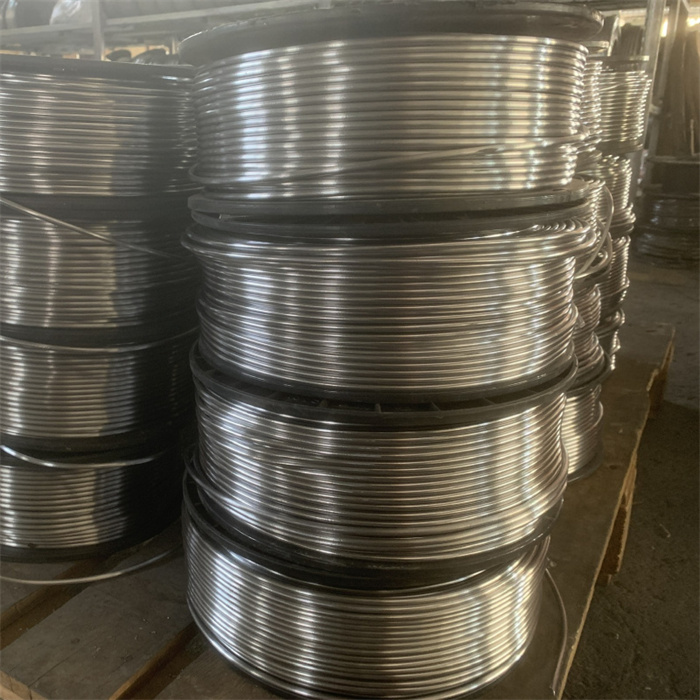
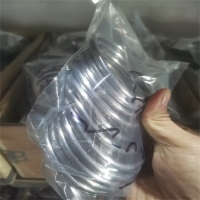
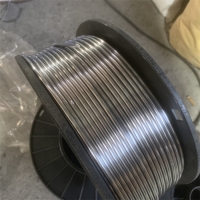
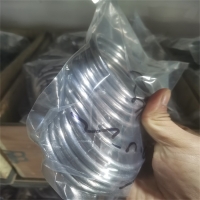
Length and packaging: It is mostly packaged in rolls, with a length of 50m-500m per roll, and can also be cut to a fixed length according to customer requirements.
Appearance features: The surface has a silver gray metallic luster, pure lead silk texture is soft, and can be bent by hand; Alloy lead wire has slightly higher hardness and is less prone to rebound after bending.
2、 Core Features
Excellent corrosion resistance
Lead wire is stable in dry air and forms a dense oxide film on its surface in humid environments. It can resist strong acid corrosion such as sulfuric acid, hydrochloric acid, and phosphoric acid (except for fluoric acid), making it particularly suitable for chemical anti-corrosion scenarios.
Good ductility and plasticity
Pure lead wire can be easily bent into any shape, is not easy to break, and can be tightly wrapped around the surface of objects such as pipelines and containers to achieve sealing and protective effects.
Efficient radiation shielding
The high density and atomic number characteristics of lead enable it to effectively absorb X-rays and gamma rays. Lead wire can be used to make filling materials or shielding nets for radiation protection devices.
Low melting point easy to weld
The melting point of lead is only 327.5 ℃. Lead wire can be connected to other lead products through hot melt welding, which is easy to operate and has strong sealing properties.
Non magnetic, moderate conductivity
Lead wire does not have magnetism and has lower conductivity than copper and aluminum, but it is low-cost and suitable for low-voltage, low-frequency conductive or grounding scenarios.
3、 Main purpose
Chemical anti-corrosion field
Used for wrapping chemical pipelines and valve interfaces, filling gaps, and preventing leakage of acid, alkali, and salt solutions;
Make acid resistant filter screens to filter impurities in highly corrosive liquids.
Radiation protection field
Filling materials for protective doors and windows in hospital CT and X-ray rooms to enhance shielding effectiveness;
Sealing and shielding components for nuclear industry laboratories and radioactive waste storage containers.
Electrical and sealing field
The core material of old-fashioned fuses (utilizing the low melting point characteristics of lead to fuse the protection circuit when overloaded);
Sealing and sealing of pipelines, water tanks, and battery casings, especially suitable for sealing underwater or humid environments.
Weighting and Fishing Gear Field
Making fishing gear lead sinkers and utilizing the high density of lead to achieve rapid sinking to the bottom;
Precise balancing of small machinery and instruments to adjust equipment balance.
Construction and renovation field
Used in the restoration of ancient buildings to fill gaps between bricks and tiles, with both sealing and anti-corrosion functions;
The filling material for sound insulation and shock absorption engineering enhances the noise reduction effect.
4、 Storage and usage precautions
Storage requirements
Store in a dry, ventilated, and cool warehouse, away from acid mist and humid environments, to prevent surface oxidation and blackening;
The coiled lead wire should be placed upright to avoid deformation caused by heavy pressure;
Store separately from corrosive substances such as acid, alkali, salt, etc., and mixing is strictly prohibited.
safety protection
Lead is a toxic heavy metal that generates lead dust during the processing of lead wire. It is necessary to wear dust masks, protective gloves, and goggles to avoid direct skin contact and inhalation of lead dust;
The operation workshop needs to install forced ventilation equipment, regularly check the lead content in the air, and reduce occupational health risks;
After homework, hands and face must be thoroughly cleaned with soapy water, and eating and drinking are strictly prohibited in the workshop.
Environmental Protection Treatment
Abandoned lead wire belongs to hazardous waste and needs to be disposed of by qualified professional recycling institutions. It is strictly prohibited to dispose of it at will to prevent lead pollution of soil and water sources.
Product Inquiry
Please fill out the form on the left. Once we receive your message, we will contact you as soon as possible.
Contact