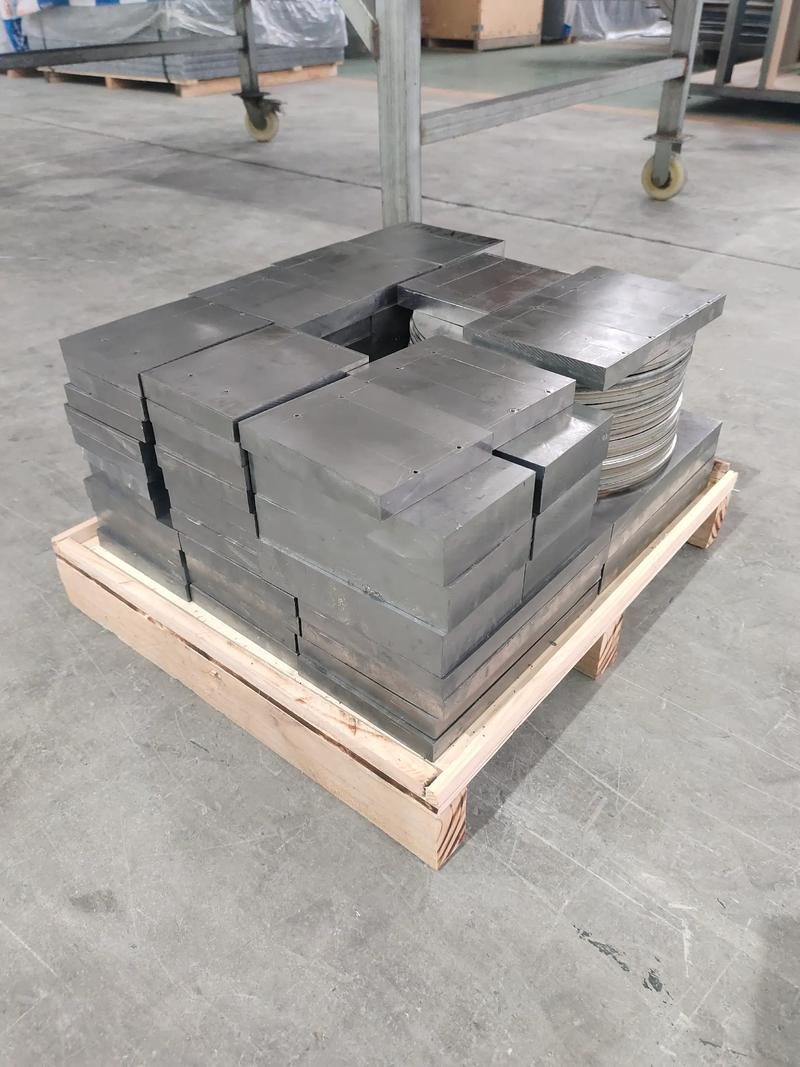
Lead Plate
HOME >Product > Lead Plate >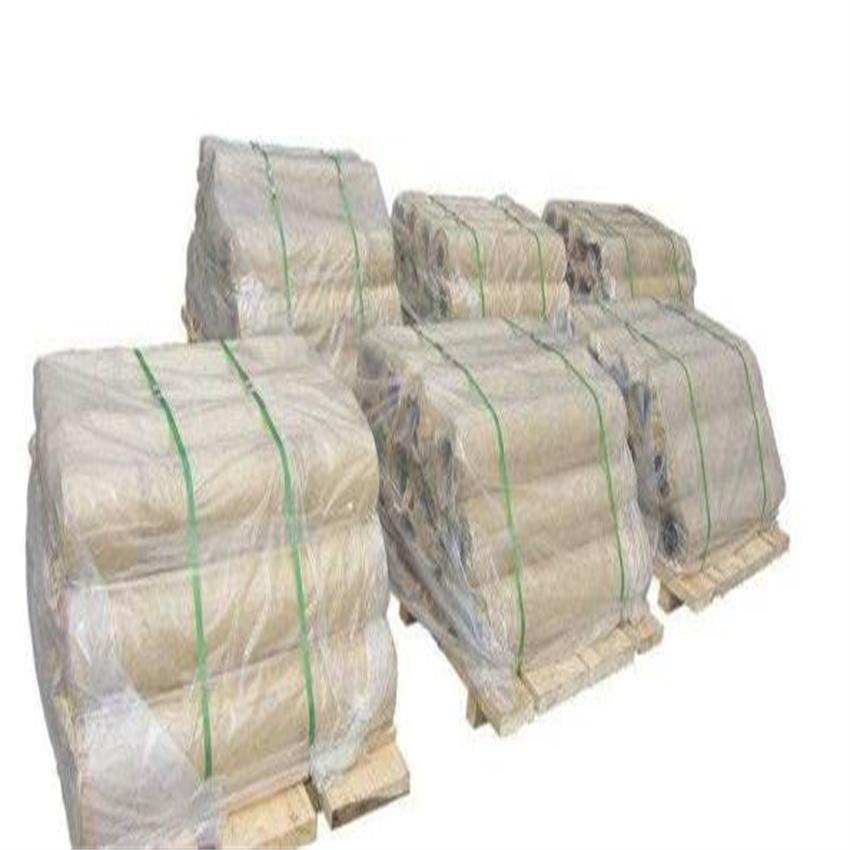
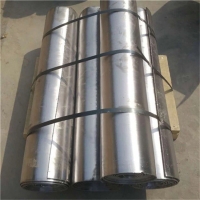
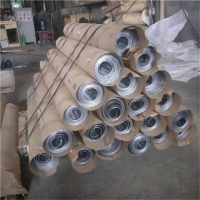
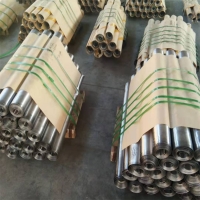
Lead Plate
Time
2025-12-10operate
ManufacturerClick
0Professional customer service online answers to solve any problems you encounter!
Related Products
RELATED PRODUCTSDetailed Introduction
Basic Information
Production process: Lead plates are mostly made of 1 # electrolytic lead, and there are also those made of recycled lead on the market, but their quality is relatively poor and their prices vary.
Common specifications: The common thickness is 0.5-500mm, and the commonly used specifications are 1000mm × 2000mm. The best machines in China can produce lead plates with a maximum width of 2000mm and a maximum length of 30000mm.
Physical and chemical properties
High density: Lead has a density of up to 11.345g/cm ³, which allows it to provide good protection and can also be used as a weight material.
Good ductility: The lead plate has a soft texture and good ductility, making it easy to process into various shapes and meet the needs of different scenarios.
Strong corrosion resistance: Lead has strong resistance to chemicals such as acid and alkali, and is not easily corroded, making it suitable for highly corrosive environments.
Low melting point: The melting point of lead is between 300 ℃ and 400 ℃, and it can be connected through melting welding technology, making it easy to manufacture large or complex structured lead products.
Good shielding: Lead has good absorption of X-rays and gamma rays, which can effectively block radiation and is an ideal anti radiation material.
main purpose
Radiation protection: In the medical field, it is used in places such as X-ray rooms and CT rooms to manufacture protective doors, walls, etc; In the industrial field, it is used for radiation shielding in scenarios such as nuclear power plants and industrial inspection; In the field of scientific research, it is used to make storage containers for radioactive materials and experimental shielding devices.
Battery manufacturing: Lead plates are the core components of lead-acid batteries, serving as electrode materials to participate in electrochemical reactions and provide stable current output.
In the field of architecture, it can be used as soundproofing material for recording studios, theaters, and other places, as well as for waterproofing projects such as roofs and basements.
In the field of chemical engineering, it is widely used to manufacture acid and alkali resistant containers, pipelines, and linings, especially in highly corrosive environments such as sulfuric acid and hydrochloric acid.
In the field of counterweight, it is used as a counterweight material in equipment such as ships and elevators to provide stability.
Precautions
Lead is toxic, and protective measures should be taken during use to avoid contact and inhalation of lead dust.
Waste lead plates need to be properly disposed of to prevent environmental pollution.

Product Inquiry
Please fill out the form on the left. Once we receive your message, we will contact you as soon as possible.
Contact